Expanding a plant is harder than building one. A new plant has no constraints; an expansion has to coexist with an operation that does not stop, with an installation that grew in pieces, and with drawings that rarely match reality. The first job, almost always, is finding out what is actually installed.
What we did
A turnkey expansion, with a single party responsible for the three trades that usually run separately: civil works, structure and the electrical system.
How it was executed
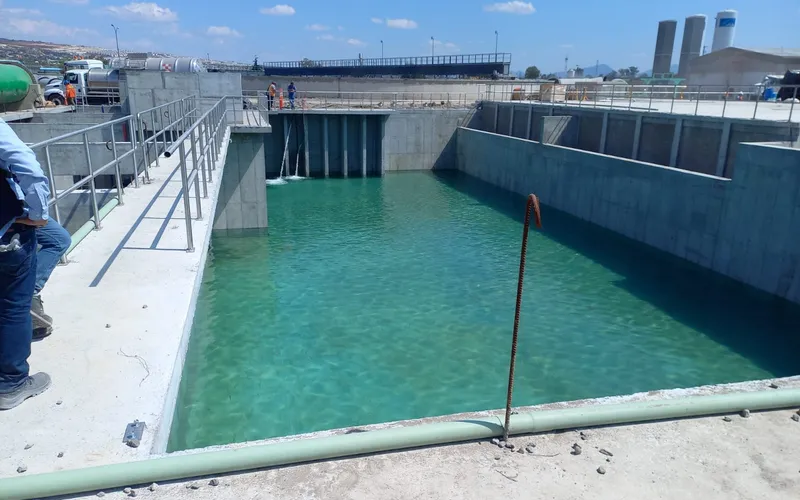
Civil works. Earthworks, formwork and pouring of the new foundations, working right against the existing building. This is the stage that requires the most coordination with the client’s operation: work windows are planned, not negotiated in the field.
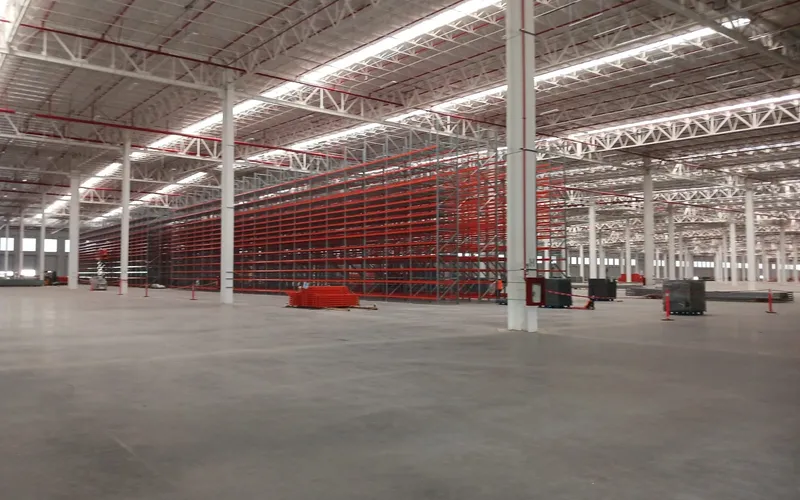
Structure. Assembly of the steel structure and of the access ways that tie the new building into the rest of the plant.
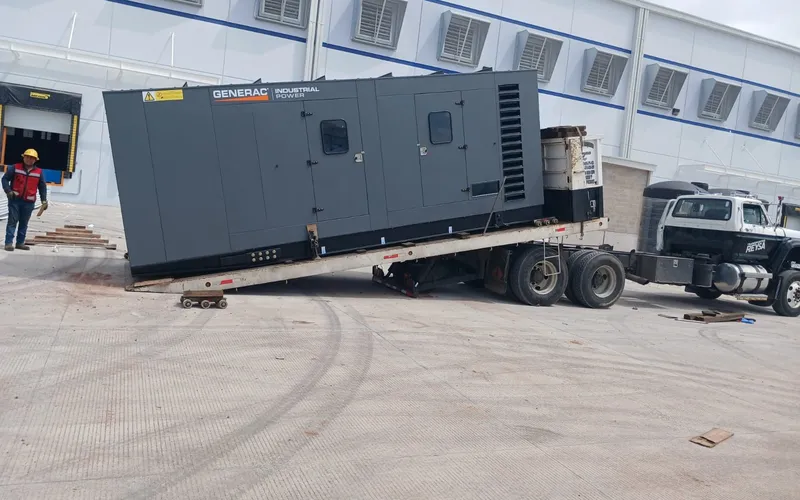
Electrical. Power supply and distribution for the expanded area. The critical point here is the one almost nobody looks at in time: if the installed capacity cannot carry the new load, another panel will not fix it. It is fixed earlier, in the calculation, and sometimes it means touching the service entrance.
The result
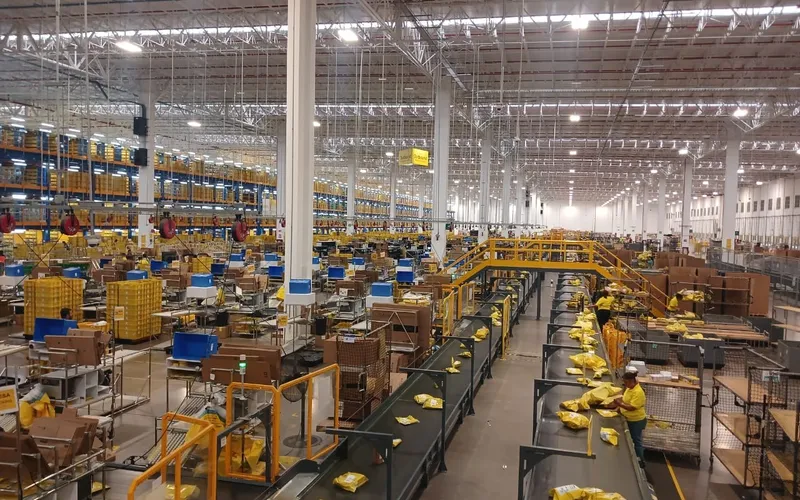
The expansion integrated into the plant and running. The advantage of carrying all three fronts under one responsible party shows up exactly at the seams —between the concrete and the structure, between the structure and the electrical— which is where a project split across three contractors usually loses the money.